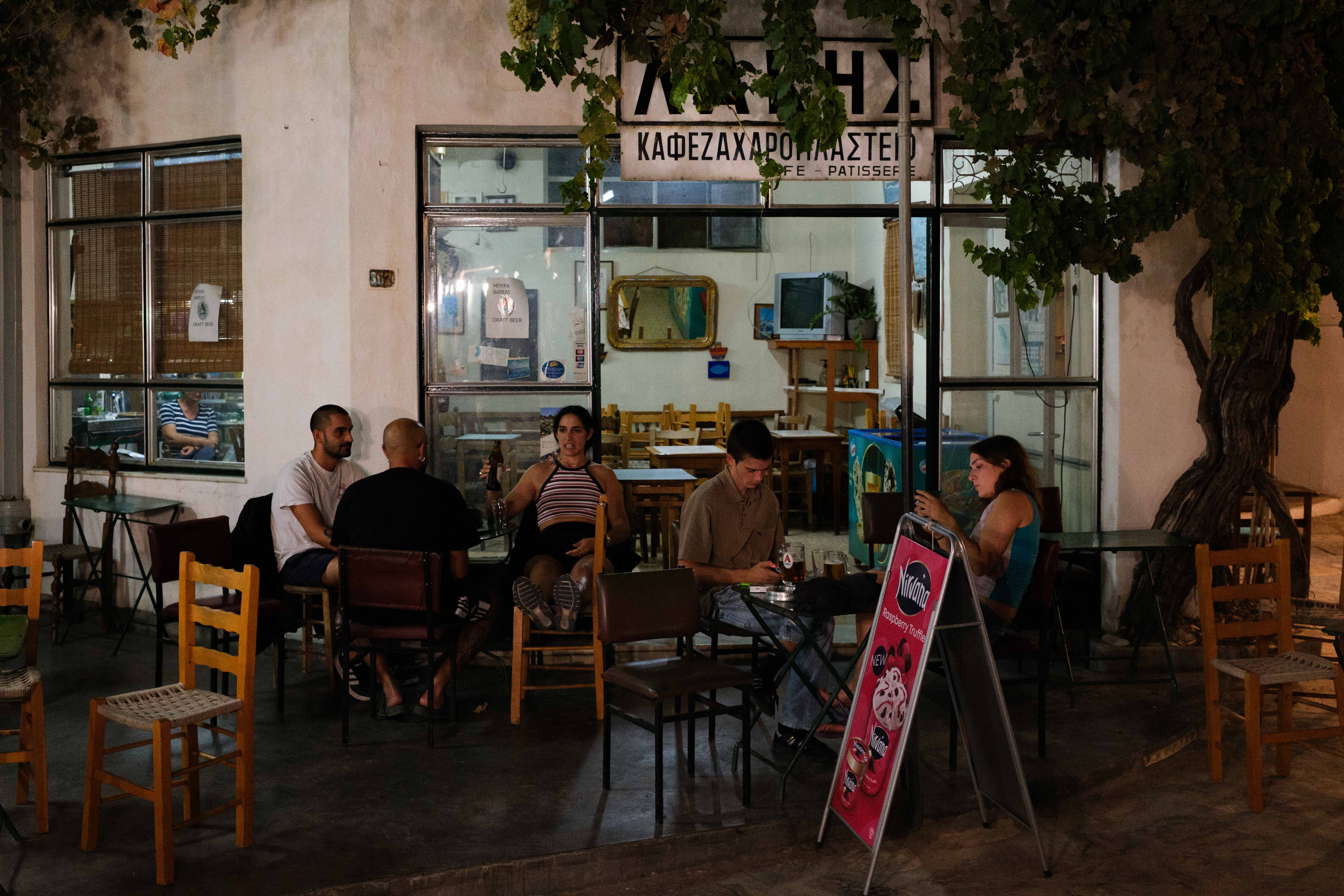
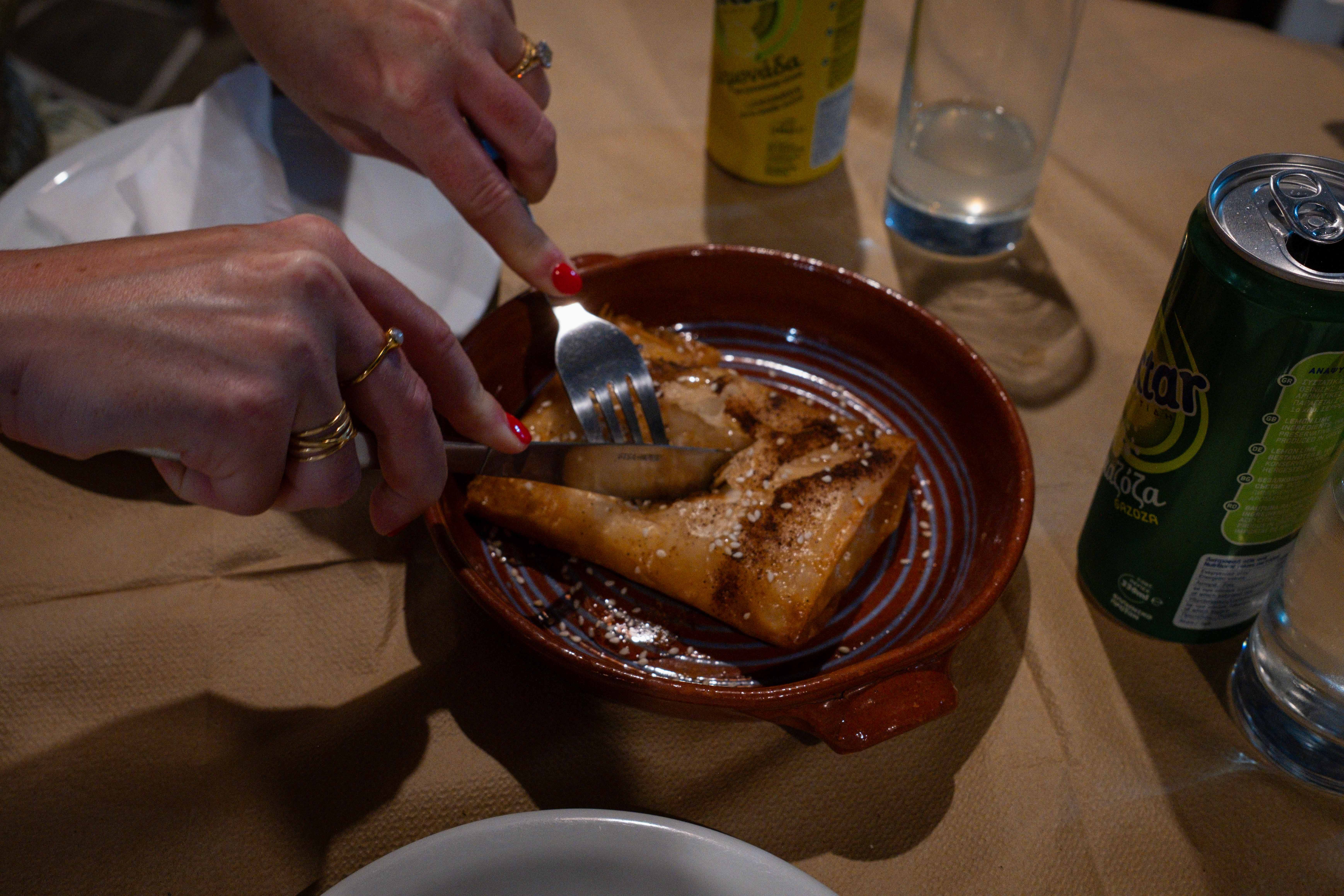
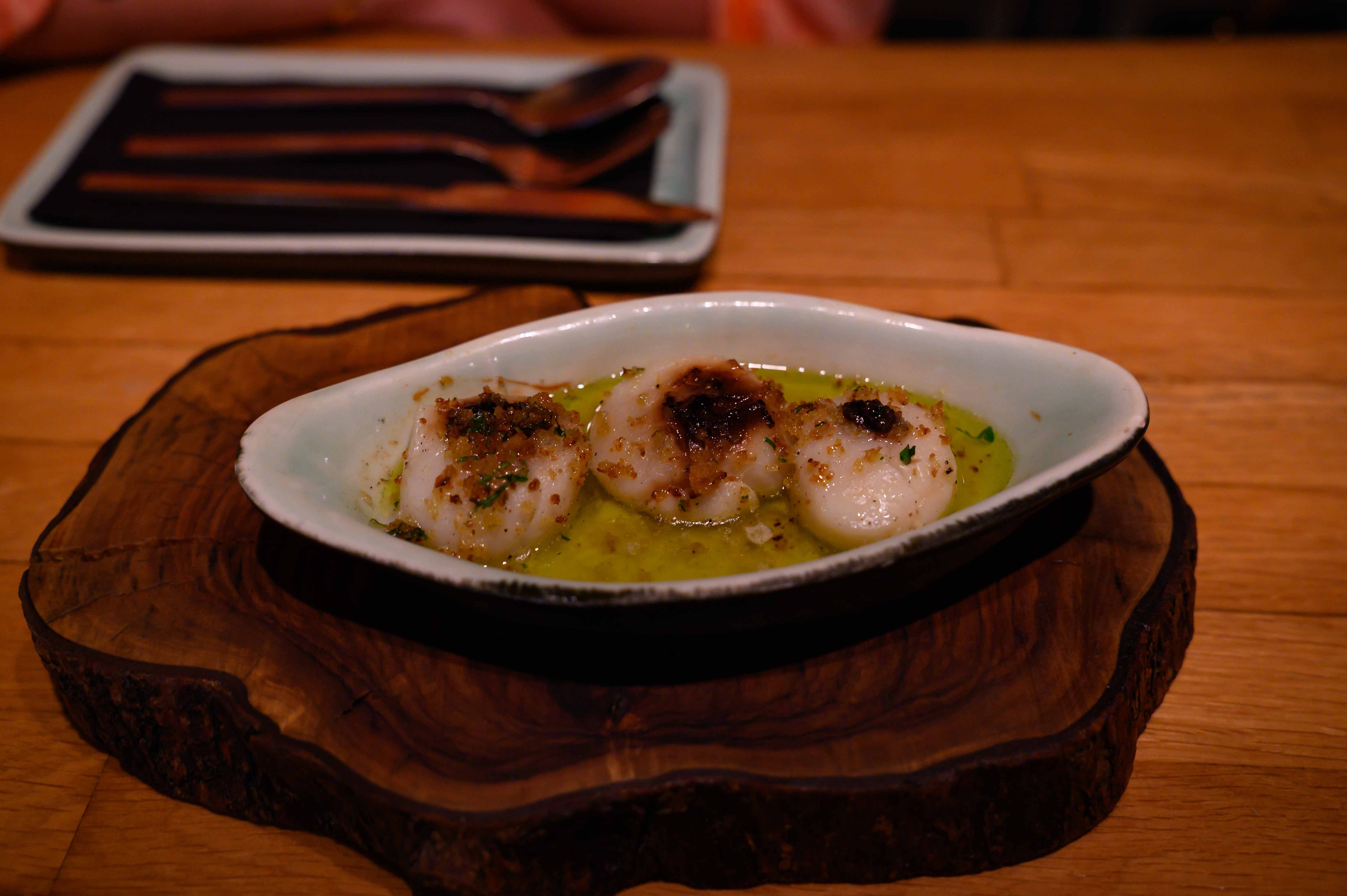
Everyone we spoke to told us the same thing about Sifnos. The food is incredible…
We arrived with high expectations. Greek friends, fellow travellers, and people whose opinions we trust when it comes to food had all told us the same thing: this is one of the best culinary islands in Greece.
If anything, we were slightly wary of whether it could live up to that reputation.
It didn’t take long for us to realise it could.
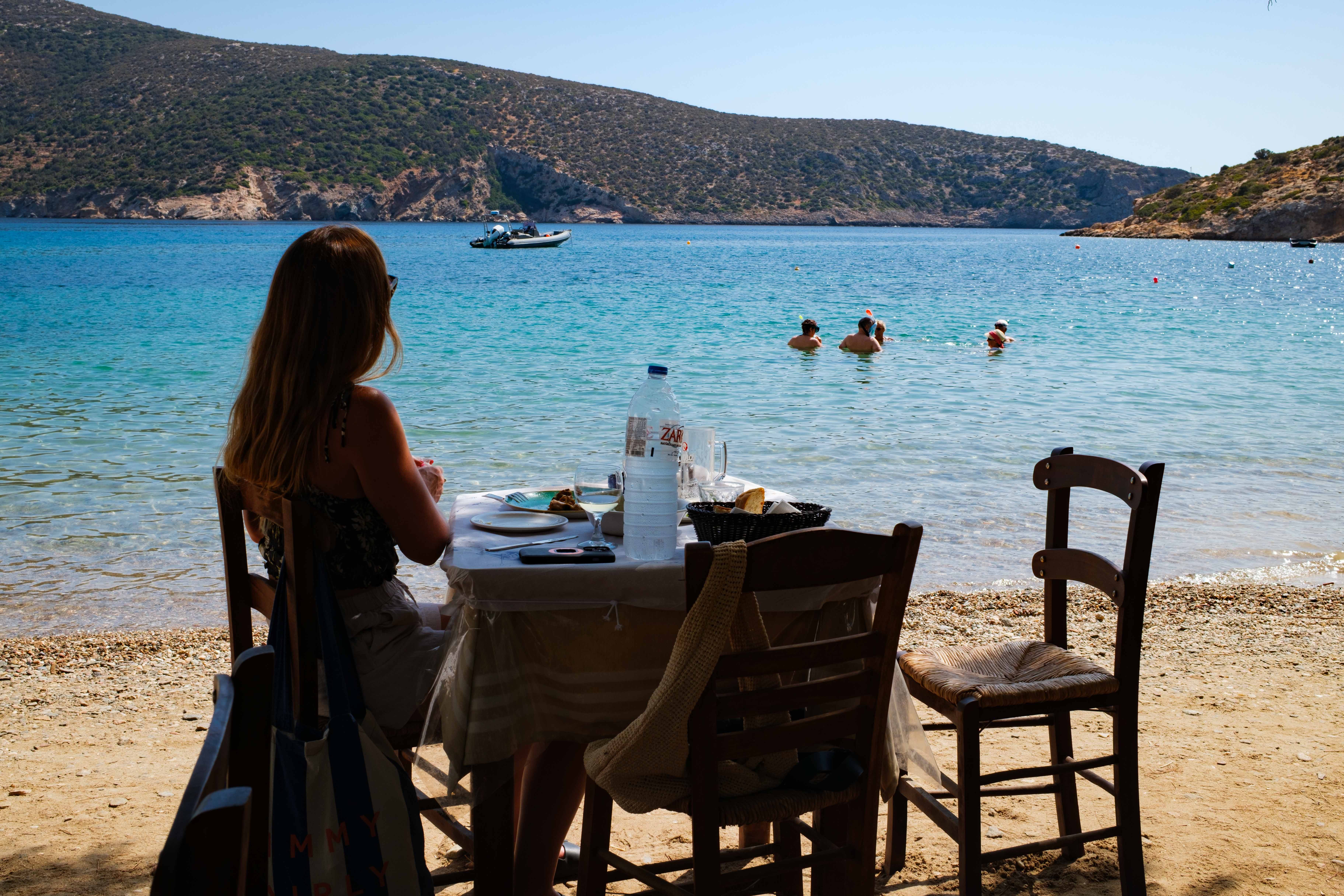
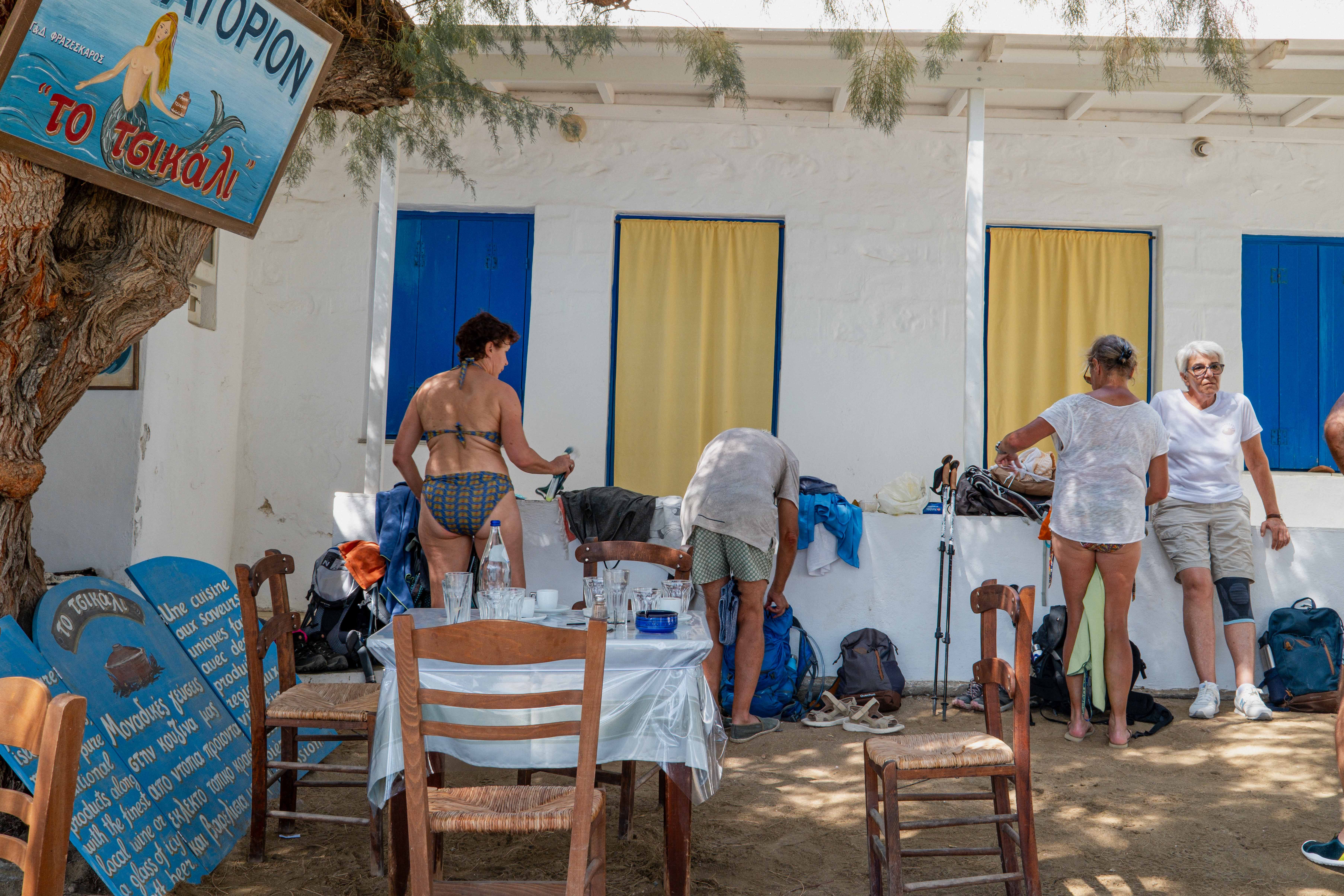
Our first meal on the island was at Tsikali (in Vathi), and it set the tone for everything that followed.
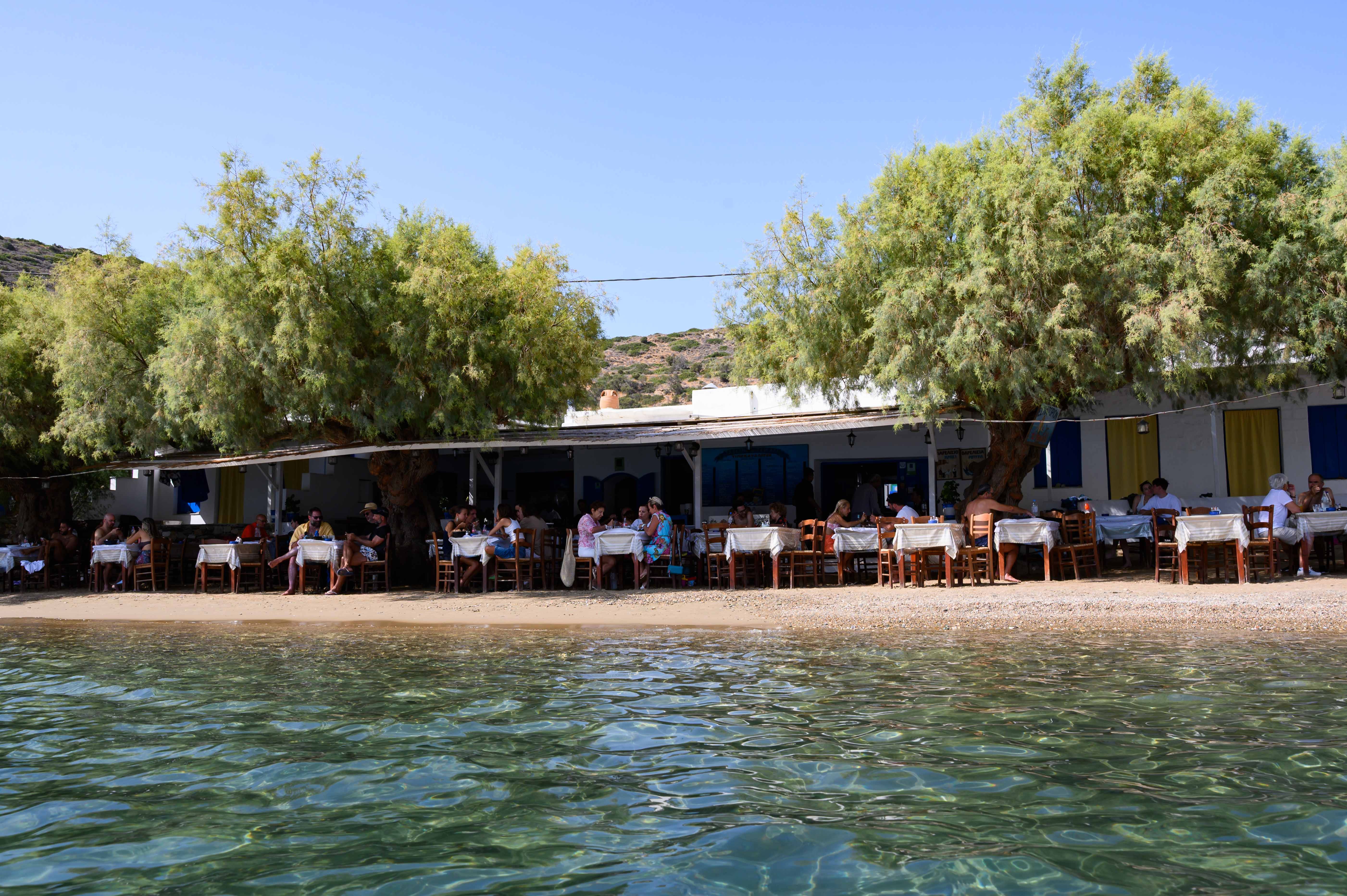
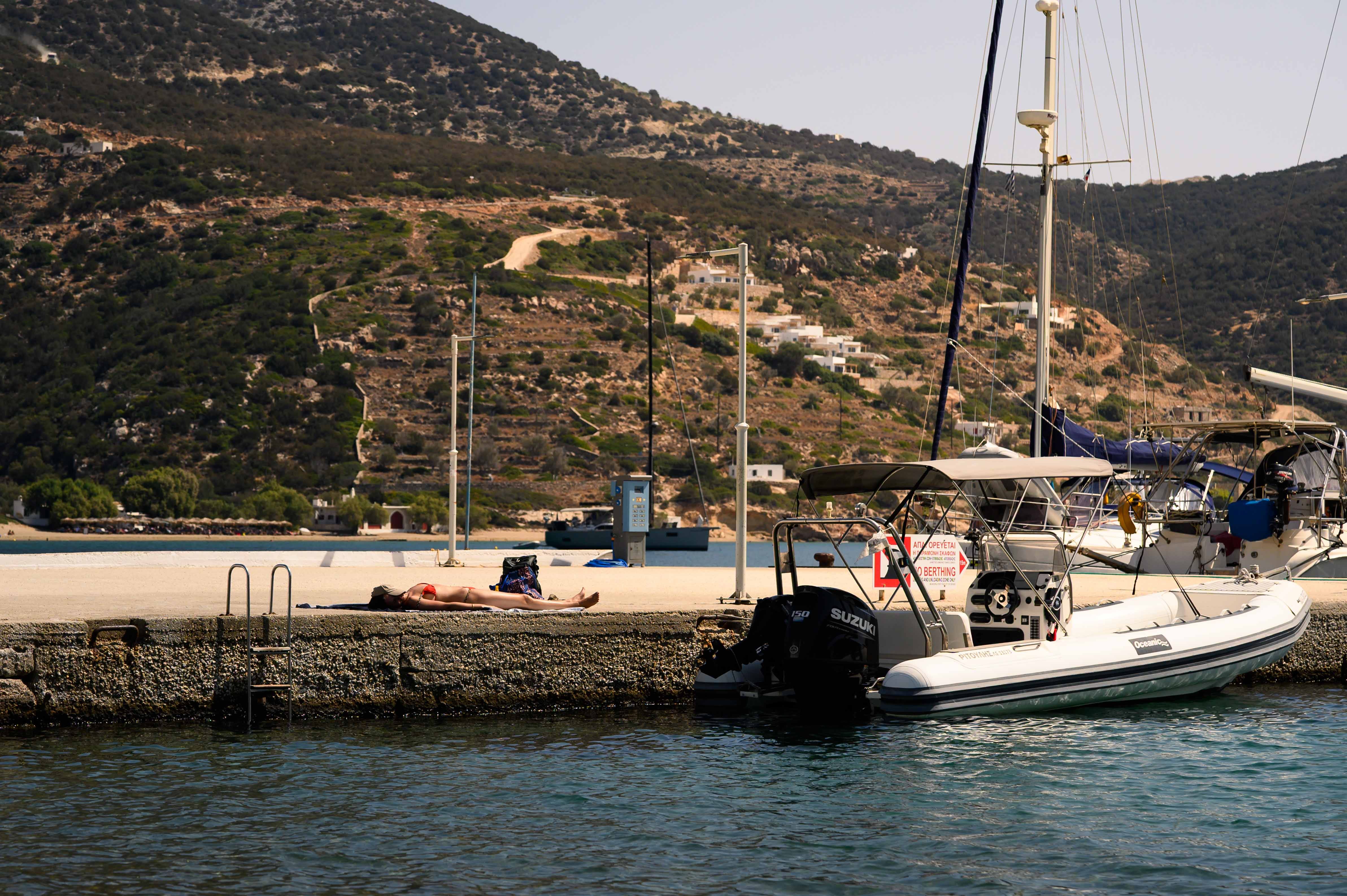
The tables at Tsikali are set right on the edge of the beach. So close to that crystal clear water that it’s an ideal spot to take an in-between-courses dip, and come straight back to your seat for what’s next on the menu (we’re not exaggerating; this is what the locals were doing).
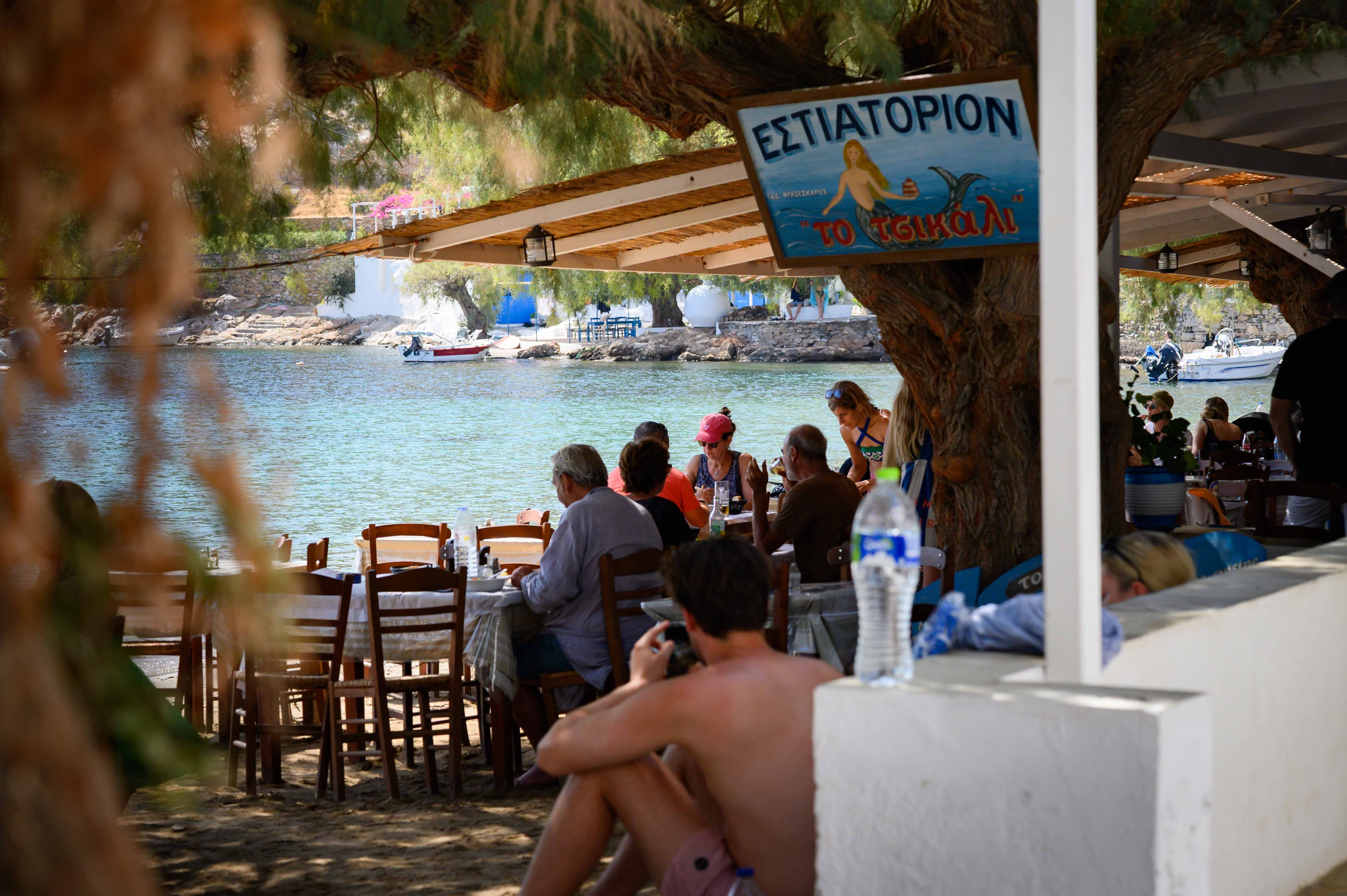
We arrived for a long, late, lazy lunch. Nothing felt rushed. People lingered, drifting between tables, chatting to each other, ordering dishes bit by bit, and maybe like us, staying longer than planned. Forgetting what time it was.
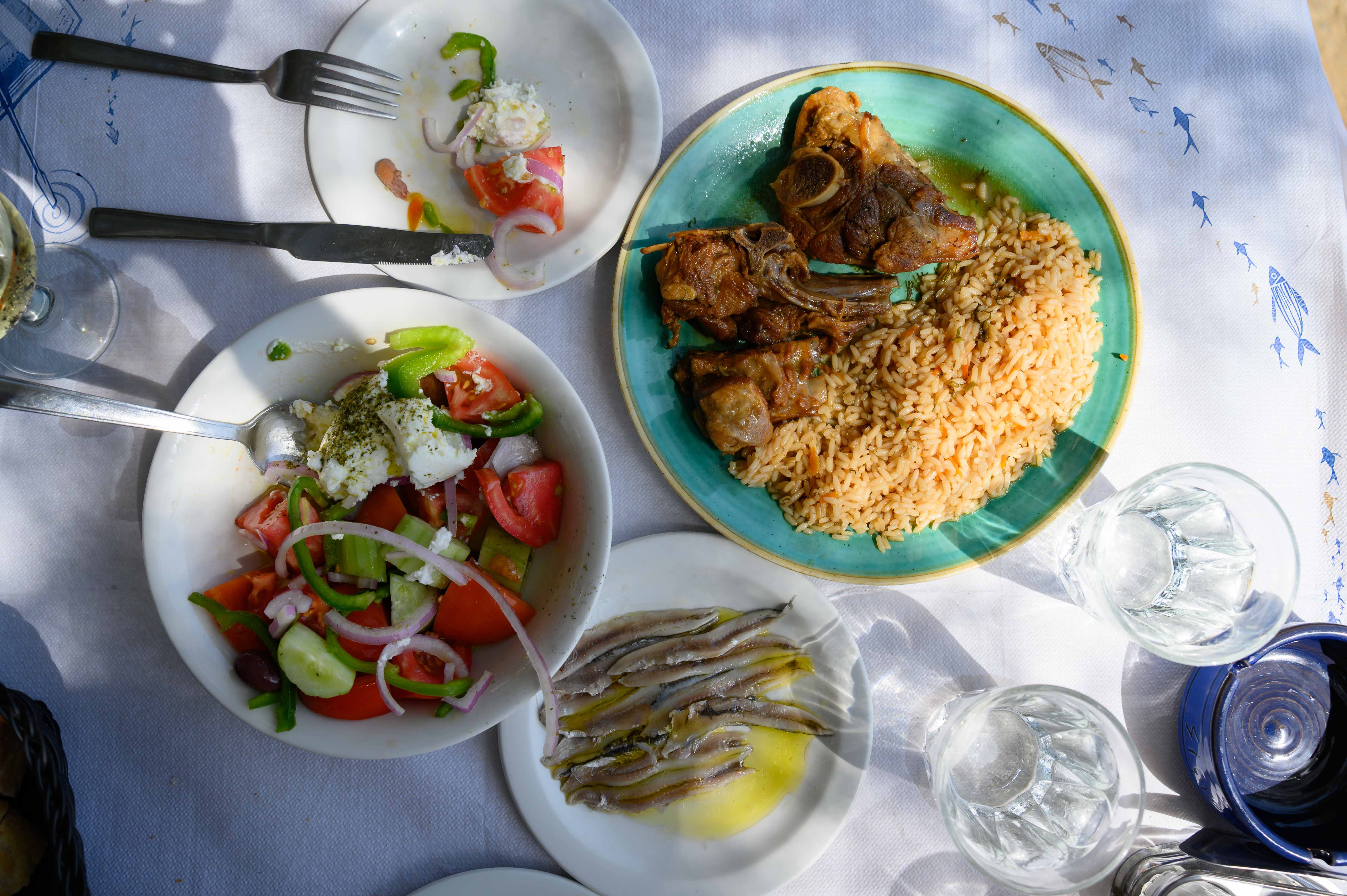
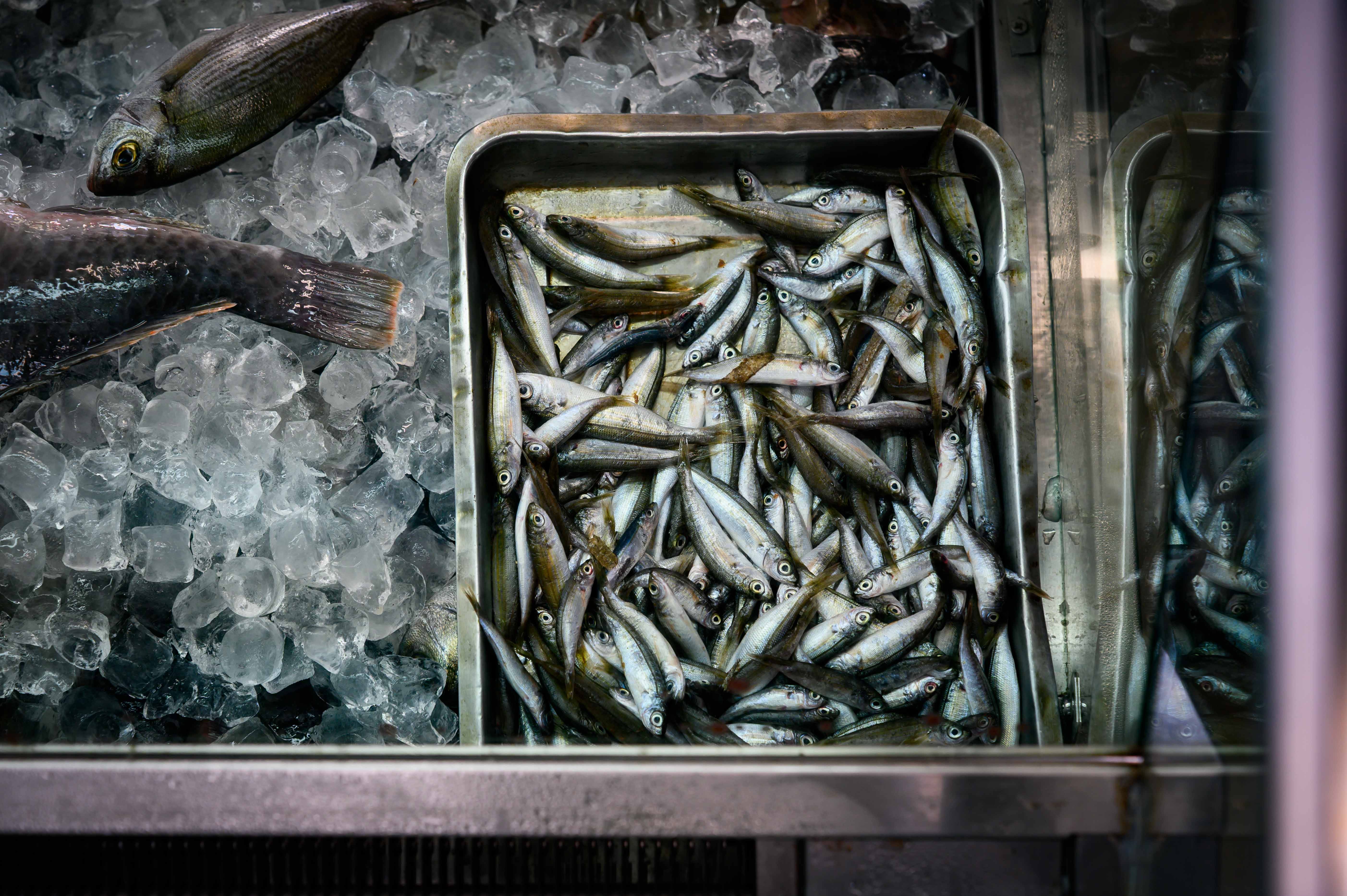
We ordered Marinated Anchovies to start, sharp and fresh, followed by a simple Greek Salad (of course) and a Goat Mastelo served with rice. It was the kind of dish that looks unassuming until you take a bite. The goat was slow-cooked until extremely tender, rich without being heavy, and the rice had absorbed all of those deep, savoury juices, turning it into a flavour bomb.
There was something about sitting there, the sea a few inches away, empty plates being cleared up, people talking across tables, that felt like a perfect introduction to the island. Rustic, relaxed, and completely unforced. A very welcome contrast to the touristy chaos that was Mykonos the day before (given there’s no flights to Sifnos we had no choice but to stay a few nights).
The food is the obvious starting point on Sifnos, but it doesn’t take long to realise it’s not just about what’s being cooked, but how it’s cooked. Much of that stems from the island’s long-standing tradition of pottery and ceramics.
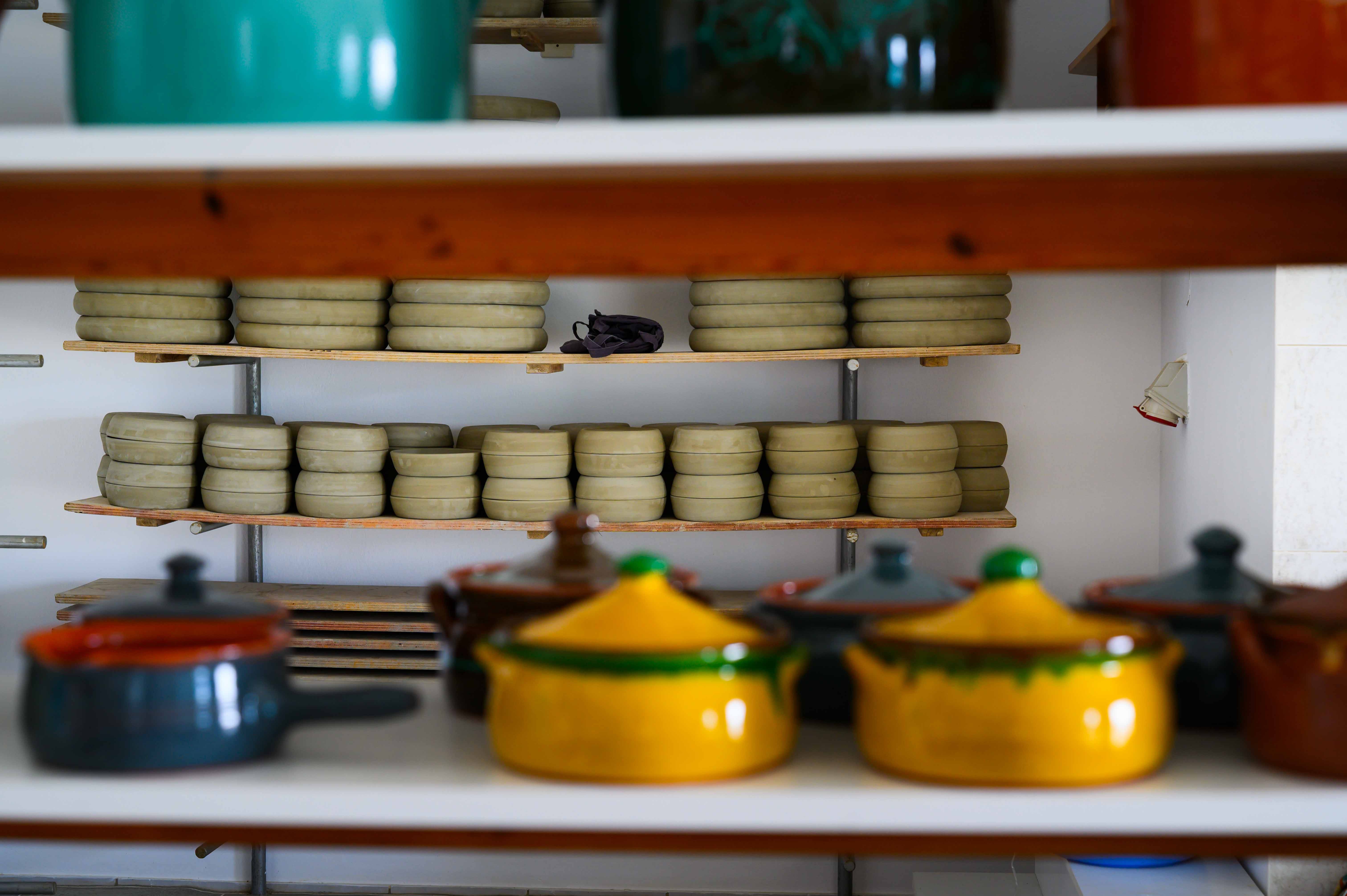
You start to notice it almost immediately. The plates you’re eating from, the dishes being brought out of kitchens, the small workshops you pass as you move between villages. This isn’t just something made for visitors. It’s part of daily life here.
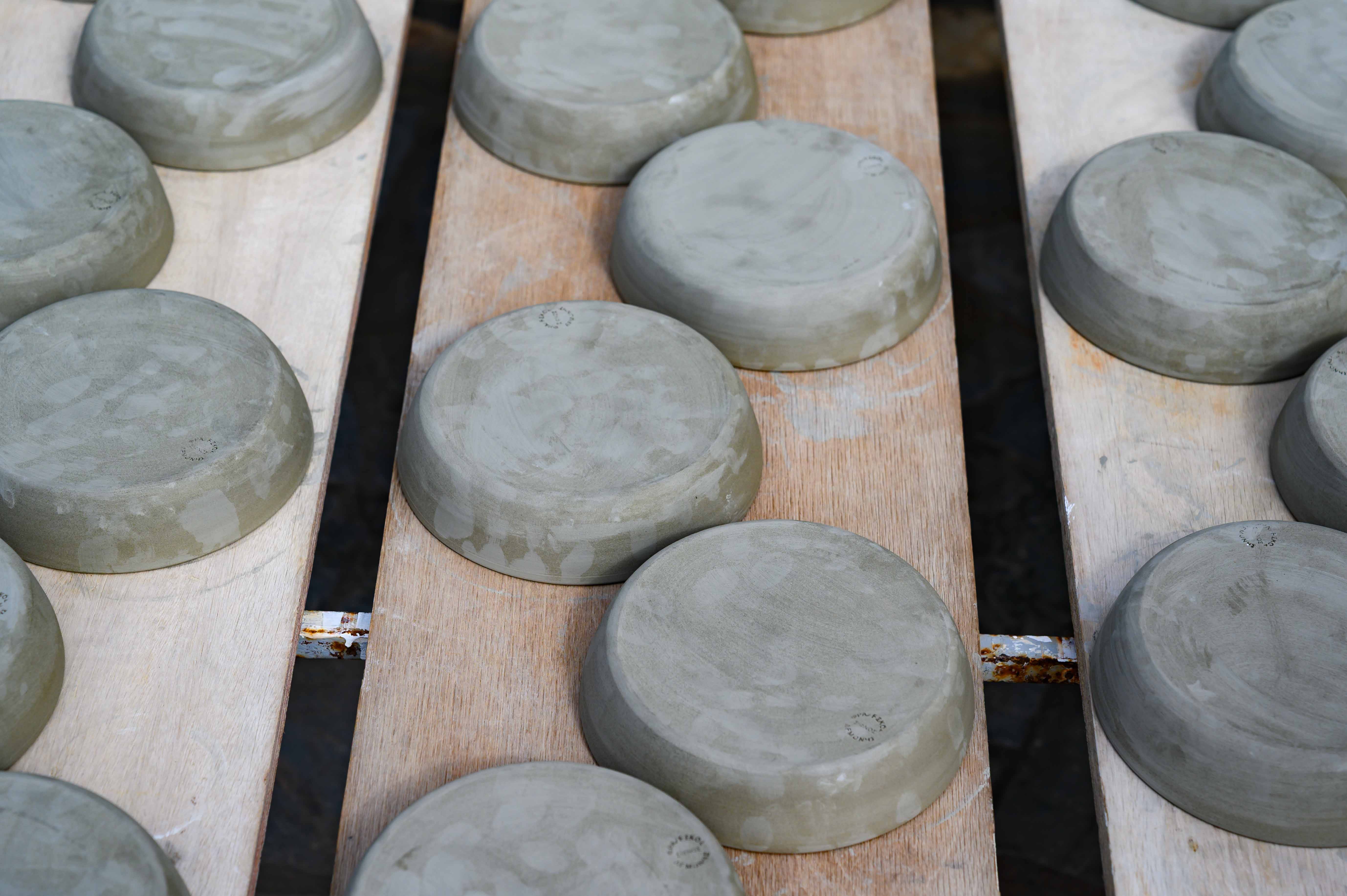
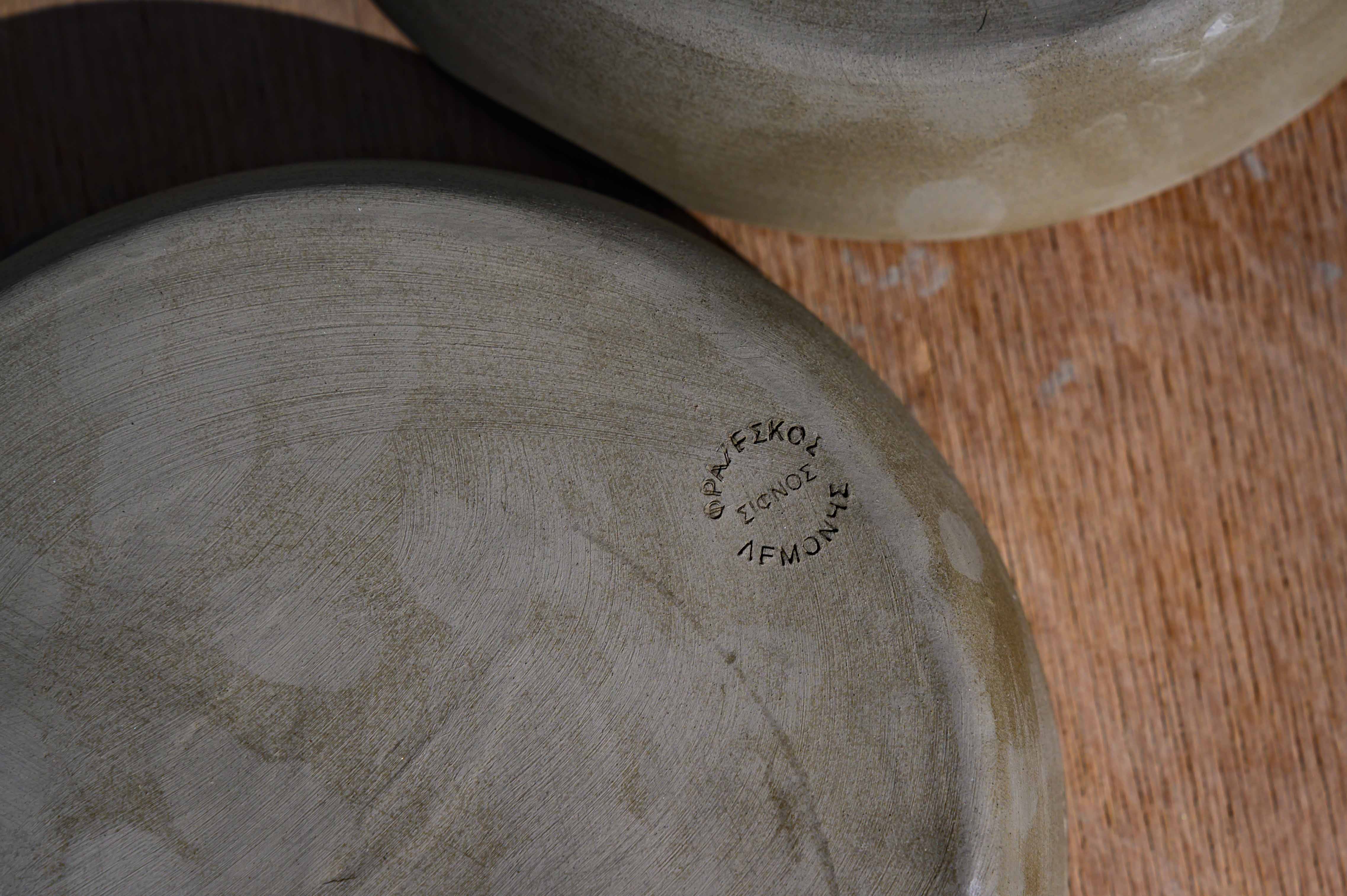
Sifnos has been known for its ceramics for centuries, and that history is closely tied to its food. Traditional dishes like Revithada, a slow-cooked chickpea stew, or Mastelo, the goat dish we had at Tsikali, are cooked in specific clay pots designed to retain heat and develop flavour over time. The craftsmanship isn’t just aesthetic; it actively shapes how the food tastes.
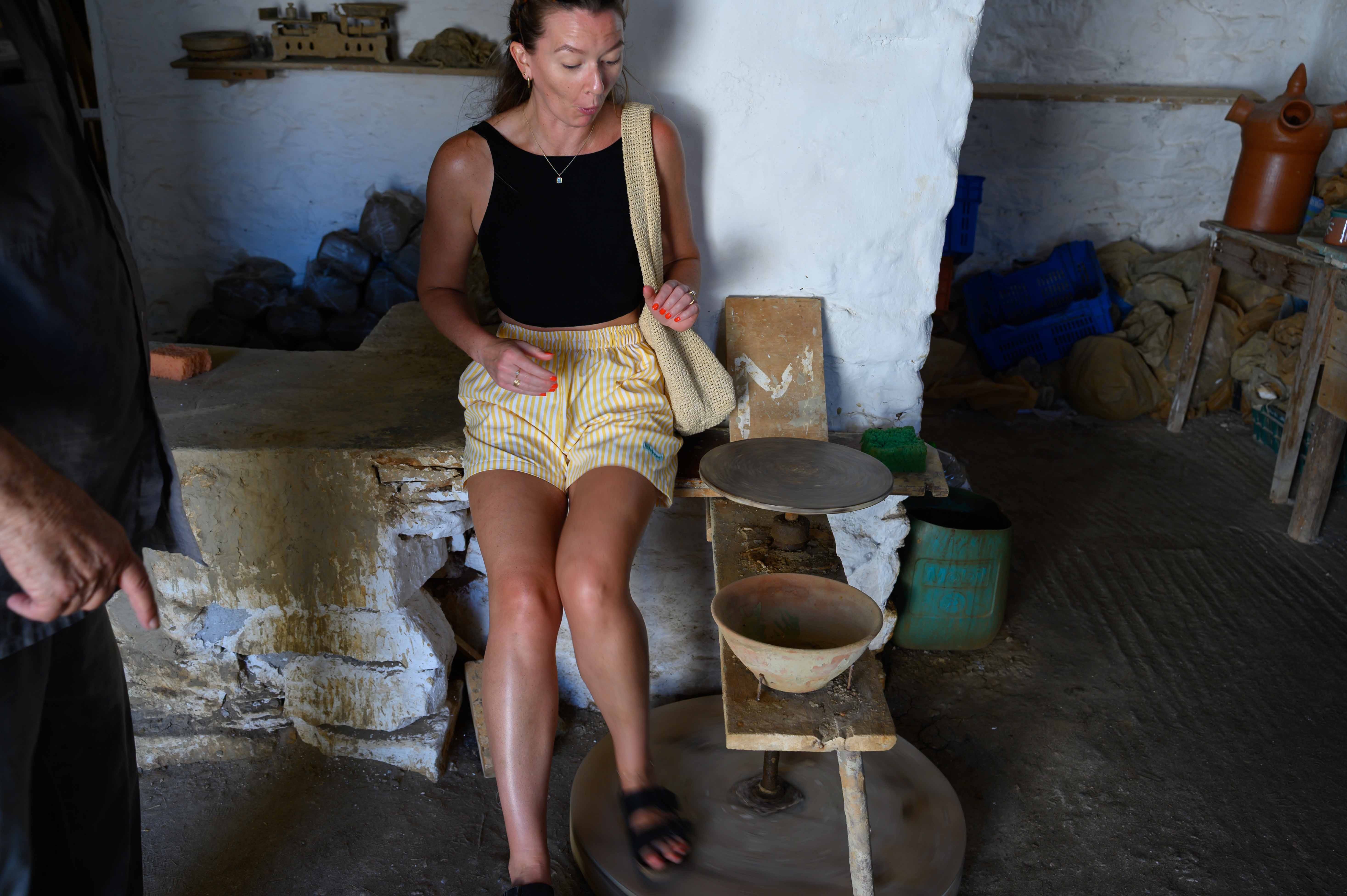
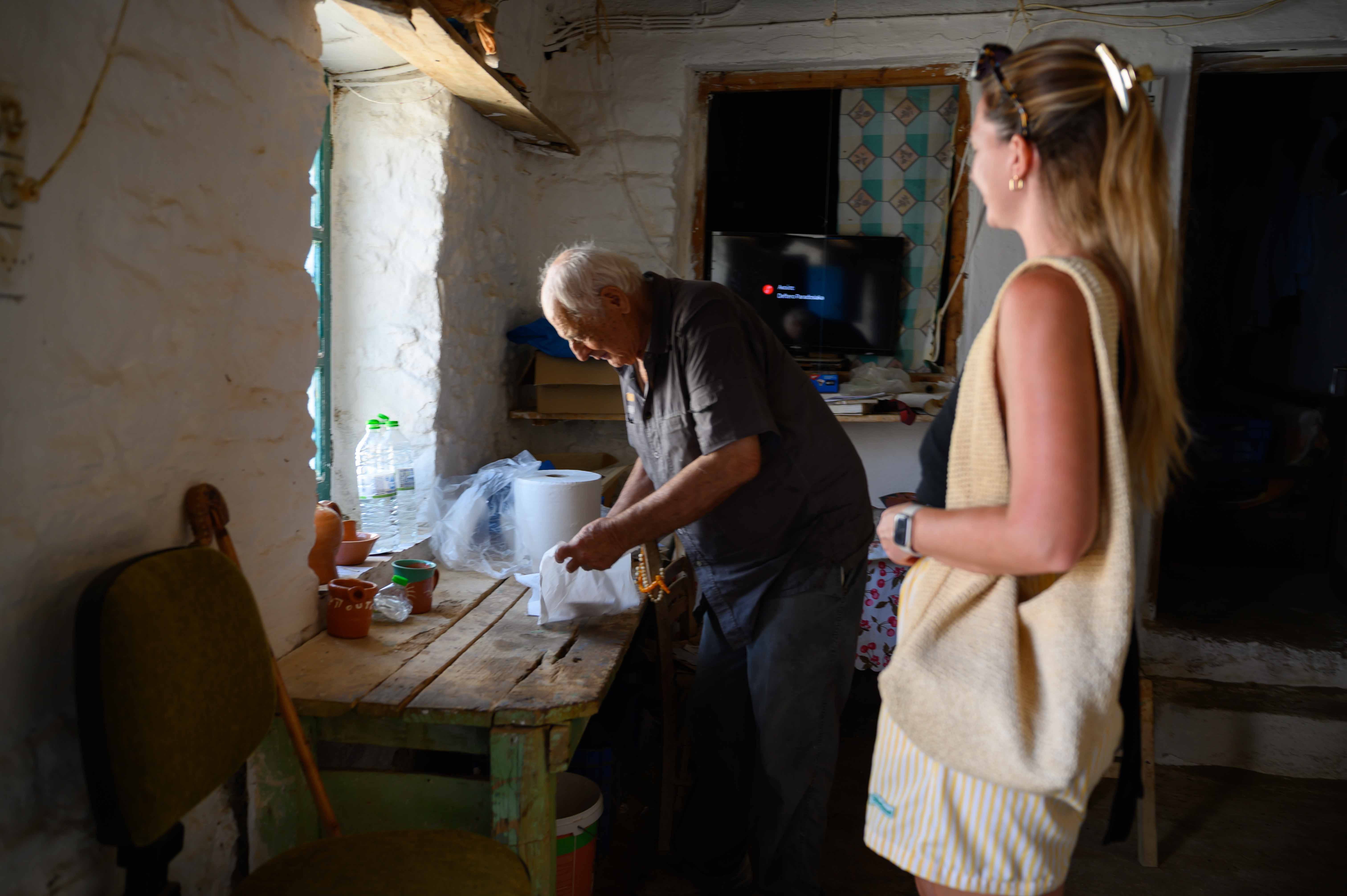
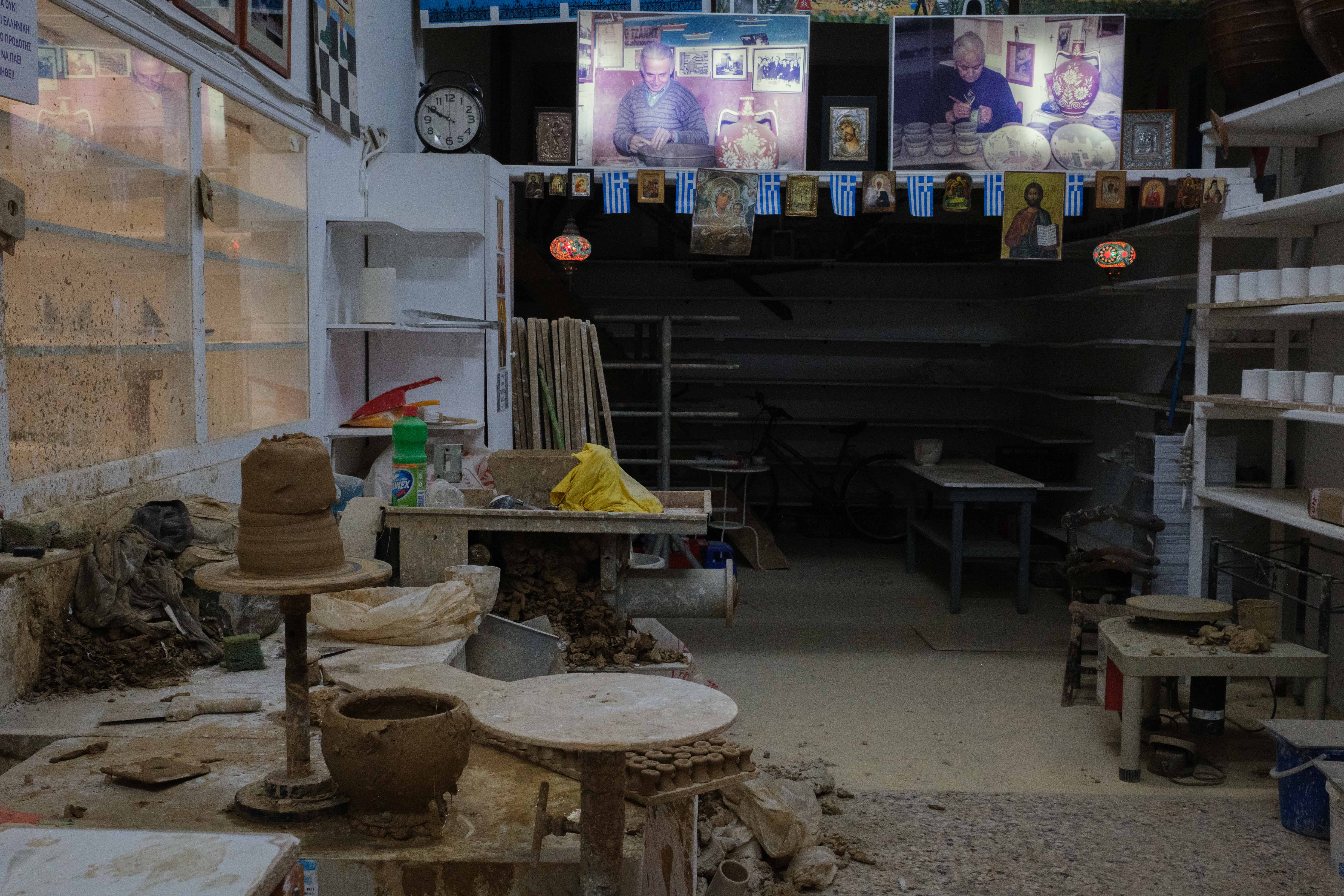
All over the island, you’ll see pieces drying in the sun, shelves lined with hand-thrown bowls and cooking vessels; and studios that feel unchanged for generations. It adds a quiet depth to the island, a sense that what you’re experiencing hasn’t been manufactured or reinvented, just preserved.
Between meals, one of the best ways to explore Sifnos is on foot.
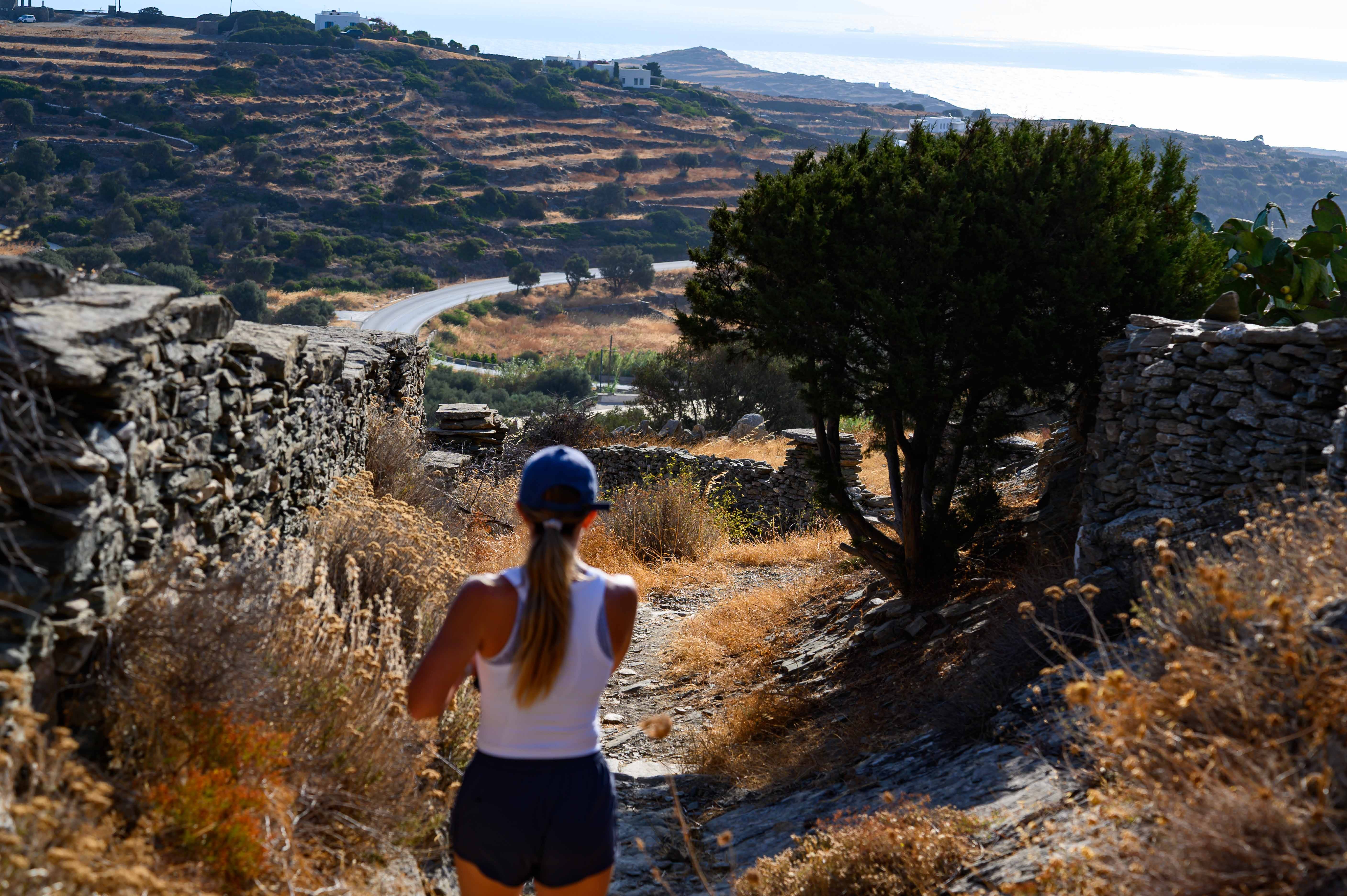
There’s a network of hiking trails that link villages, churches and stretches of coastline, taking you through landscapes that shift more than you expect. Inland, the terrain is dry and rugged, dotted with olive trees and wide, open views.
Closer to the coast, the trails open out towards the sea, with little churches appearing along the way, often perched in spots that feel almost impossible to have built on. Along the way, you might pass grazing horses or the occasional donkey, adding to that quiet, rural feel that runs through the island.
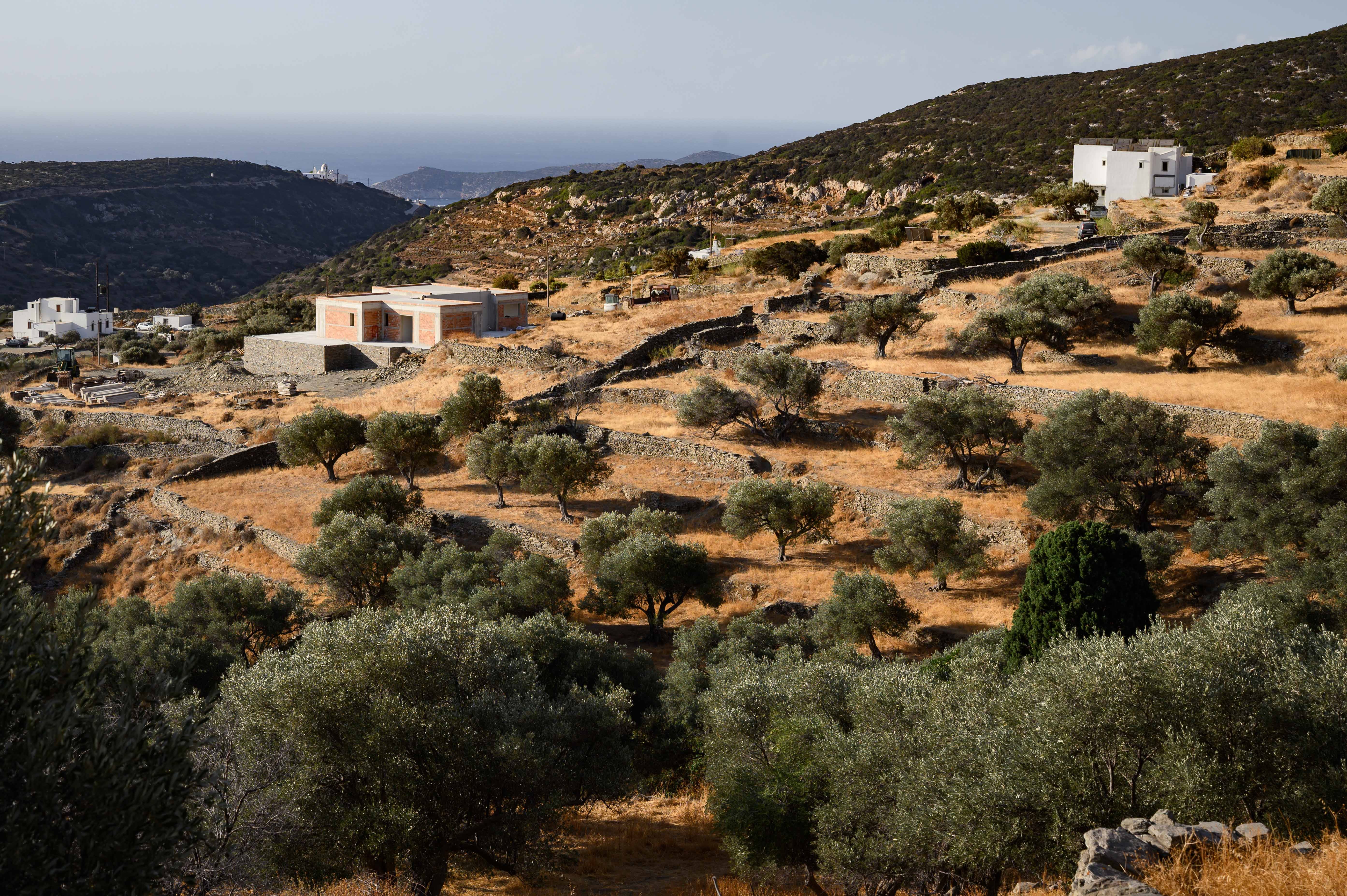
The hiking isn’t strenuous unless you want it to be, but it’s one of the most rewarding ways to move around the island. You could say you’ve earned the next meal, and you see a side of Sifnos that you’d miss entirely by car.
By the time we got to our final evening, Cantina was the one place we’d been trying to book all week.
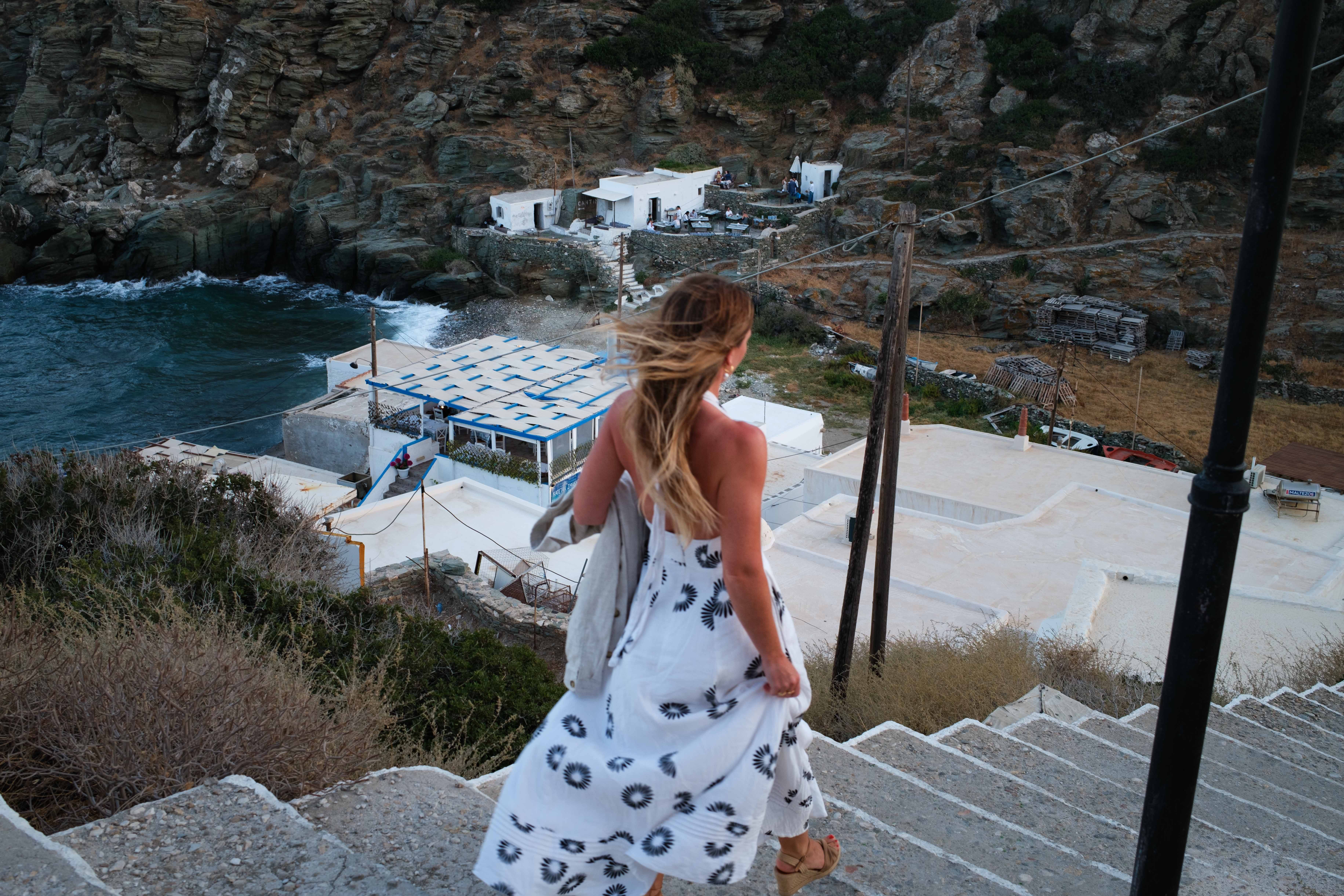
It’s not easy to get a table here. We managed to get in through a last-minute cancellation and ended up sharing a table with two actors from the US (LA, of course), who became our companions for the evening. They were heading to Milos the next day, and we had plenty of recommendations ready for them! (See our guide to Milos here)
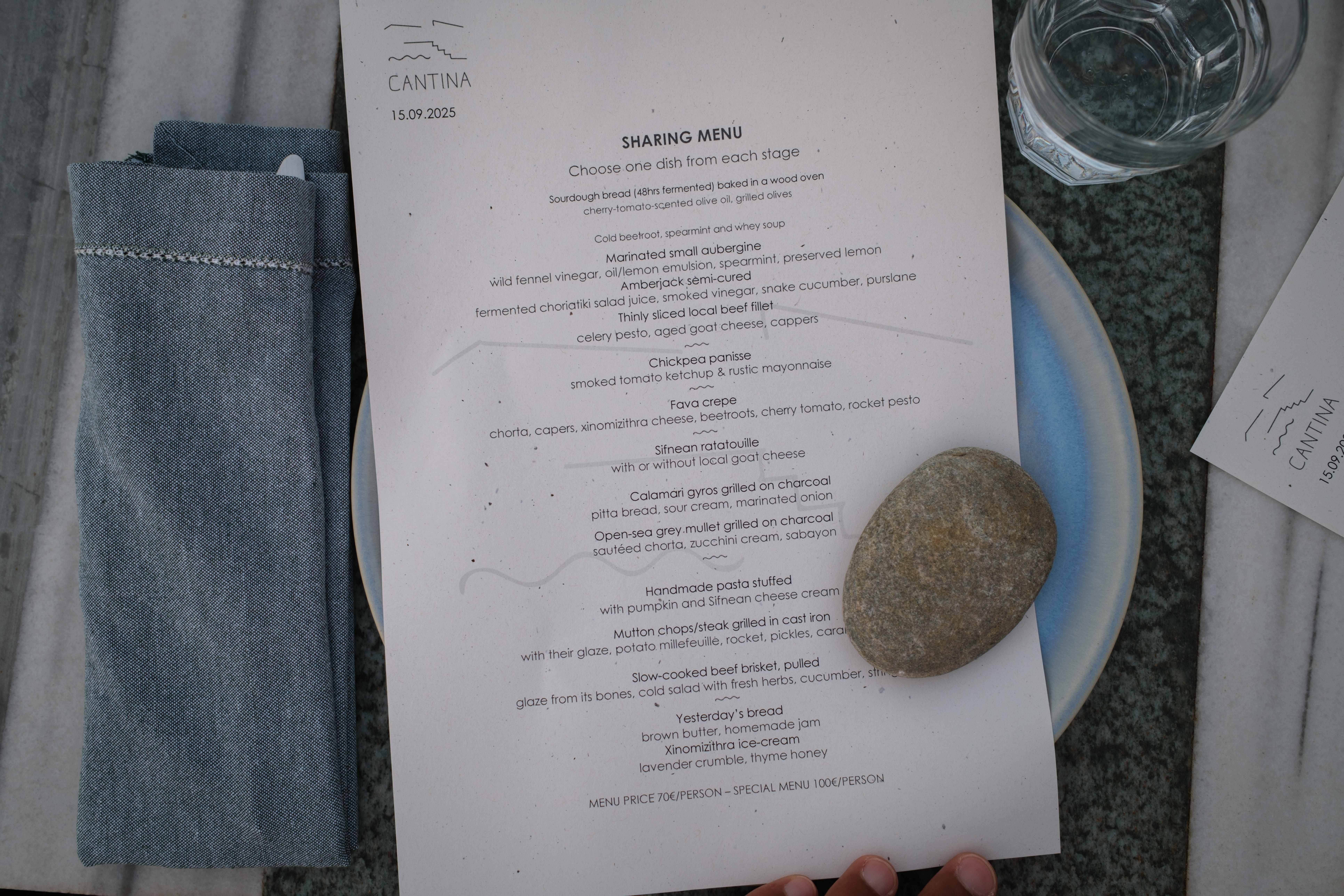
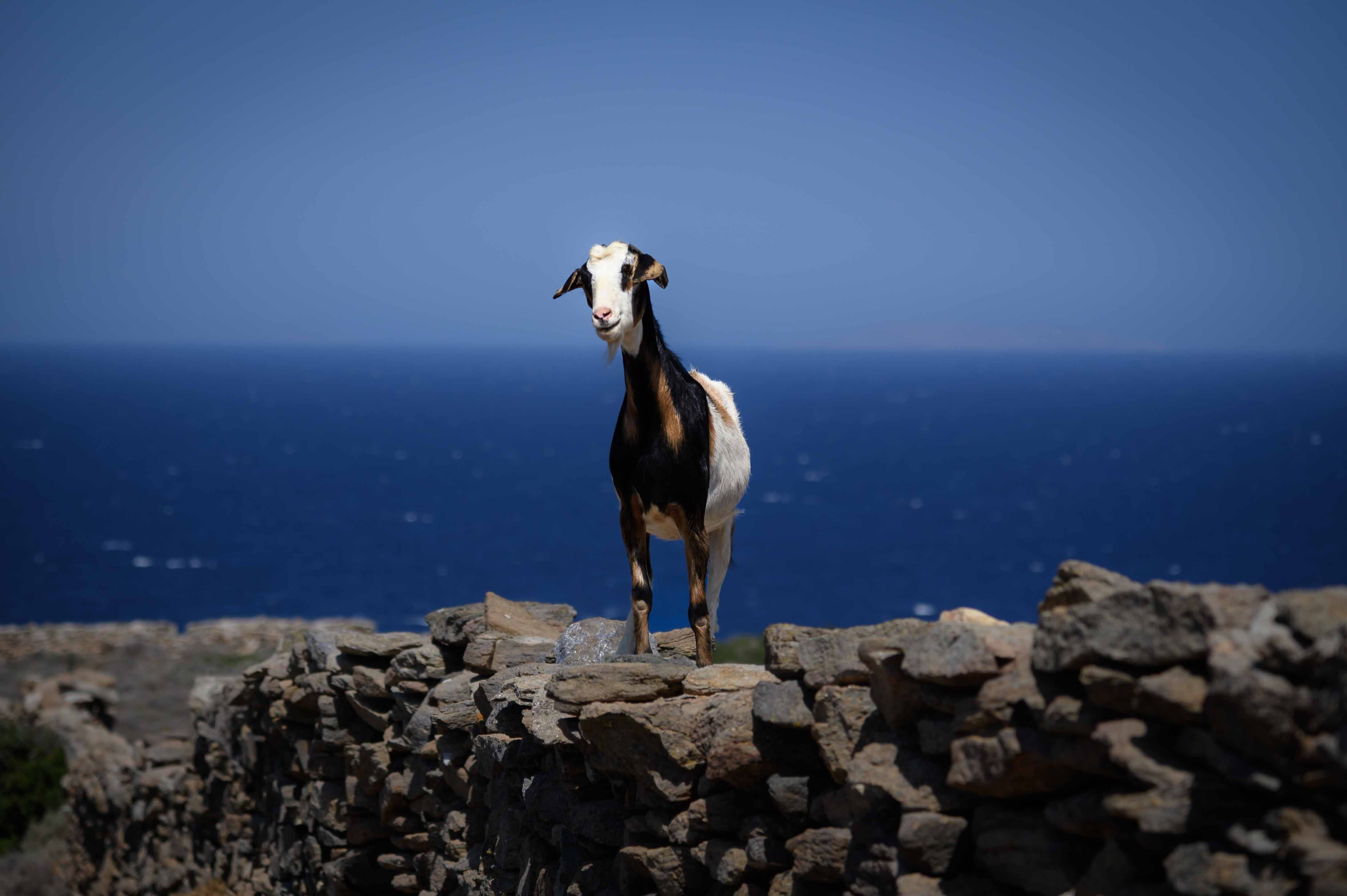
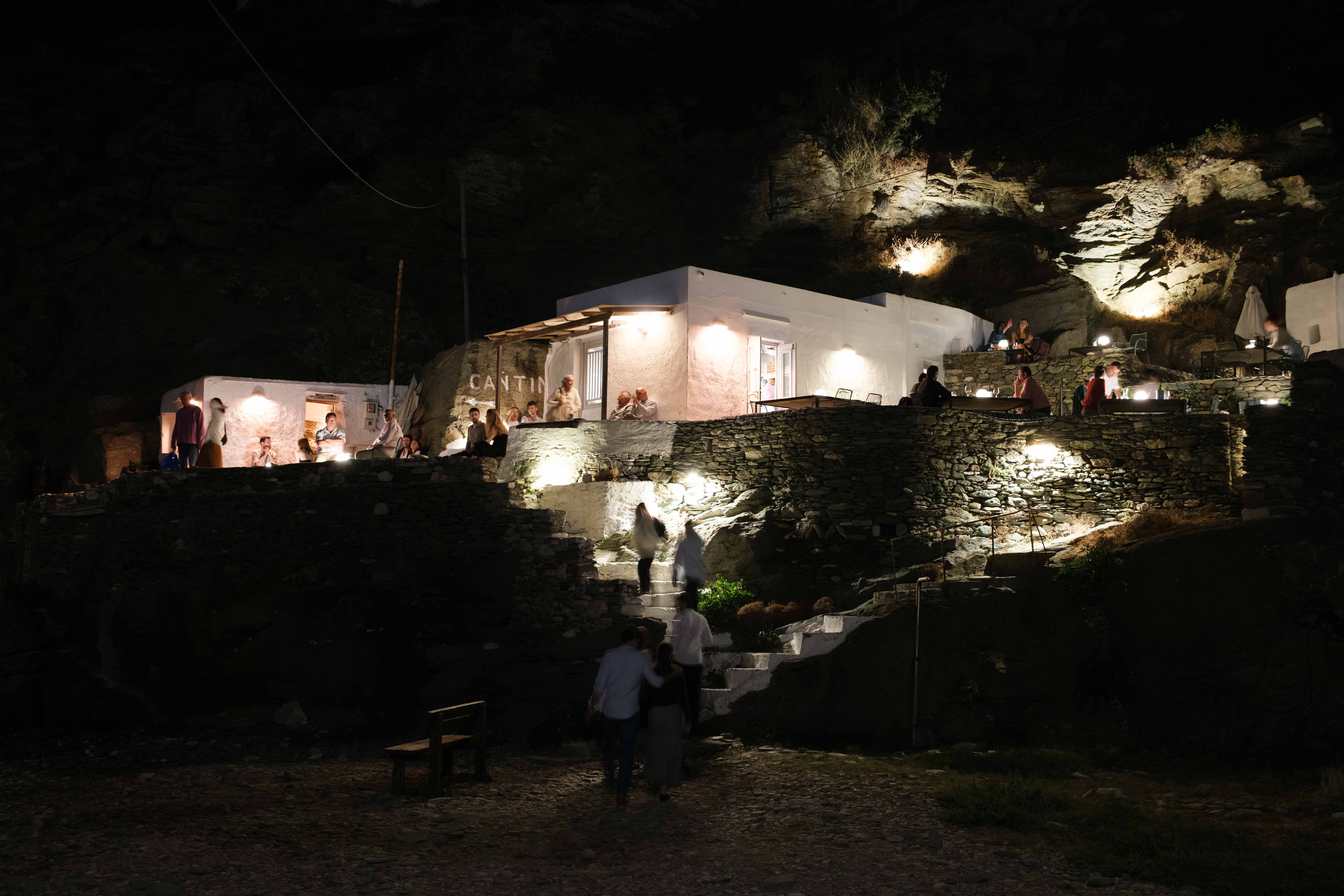
Set on the cliffs above the sea, with seating entirely outdoors, the setting is incredible. Goats roam along the cliff-edge nearby, the light softens as the evening sets in, and the sound of the waves carries up from below. Yes, it can get windy, but the waitstaff are well-prepared with plenty of aesthetic rocks to hold down napkins, menus, and wine glasses if need be!
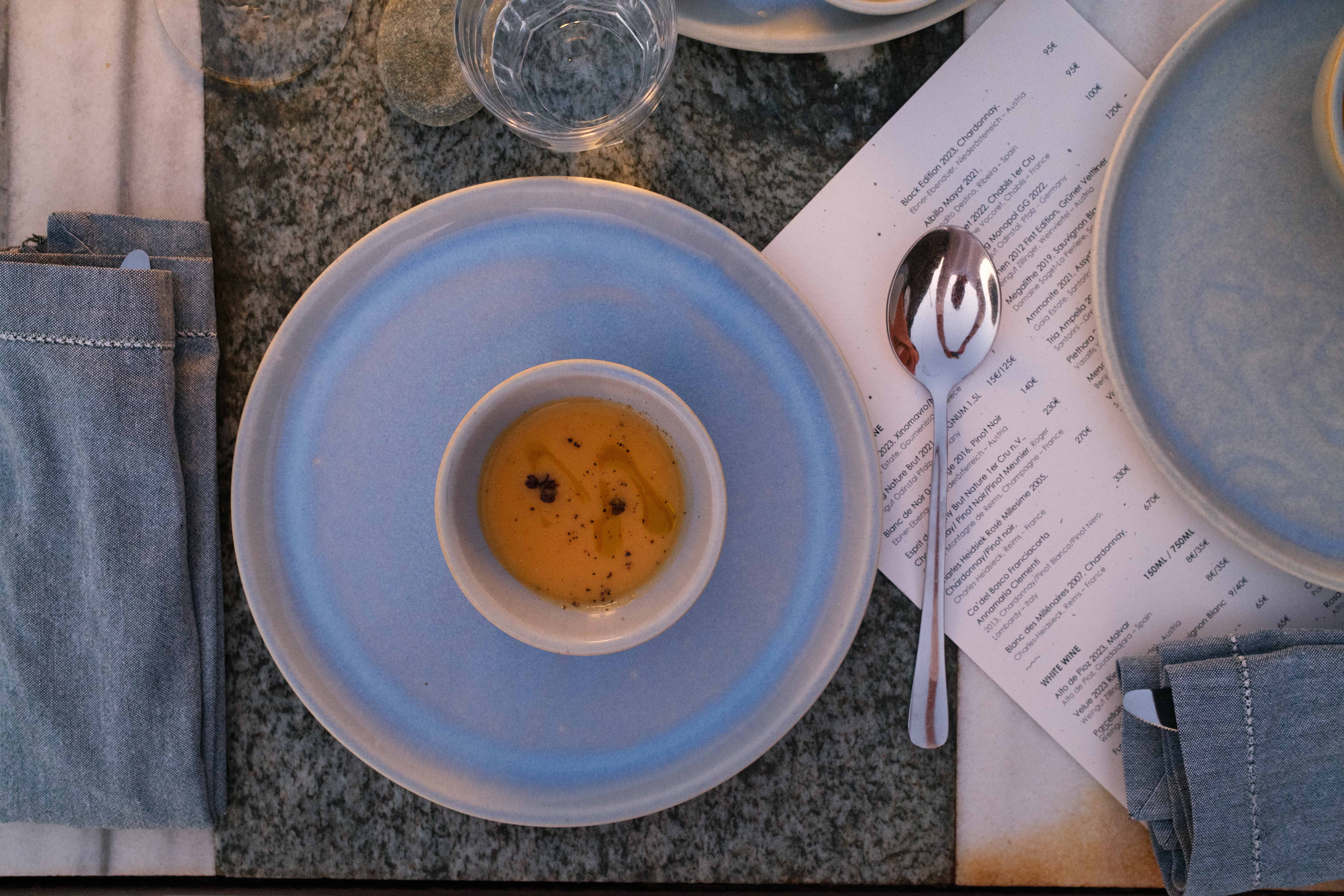
The sharing menu at Cantina is refined, but still deeply rooted in Greek ingredients and flavours.
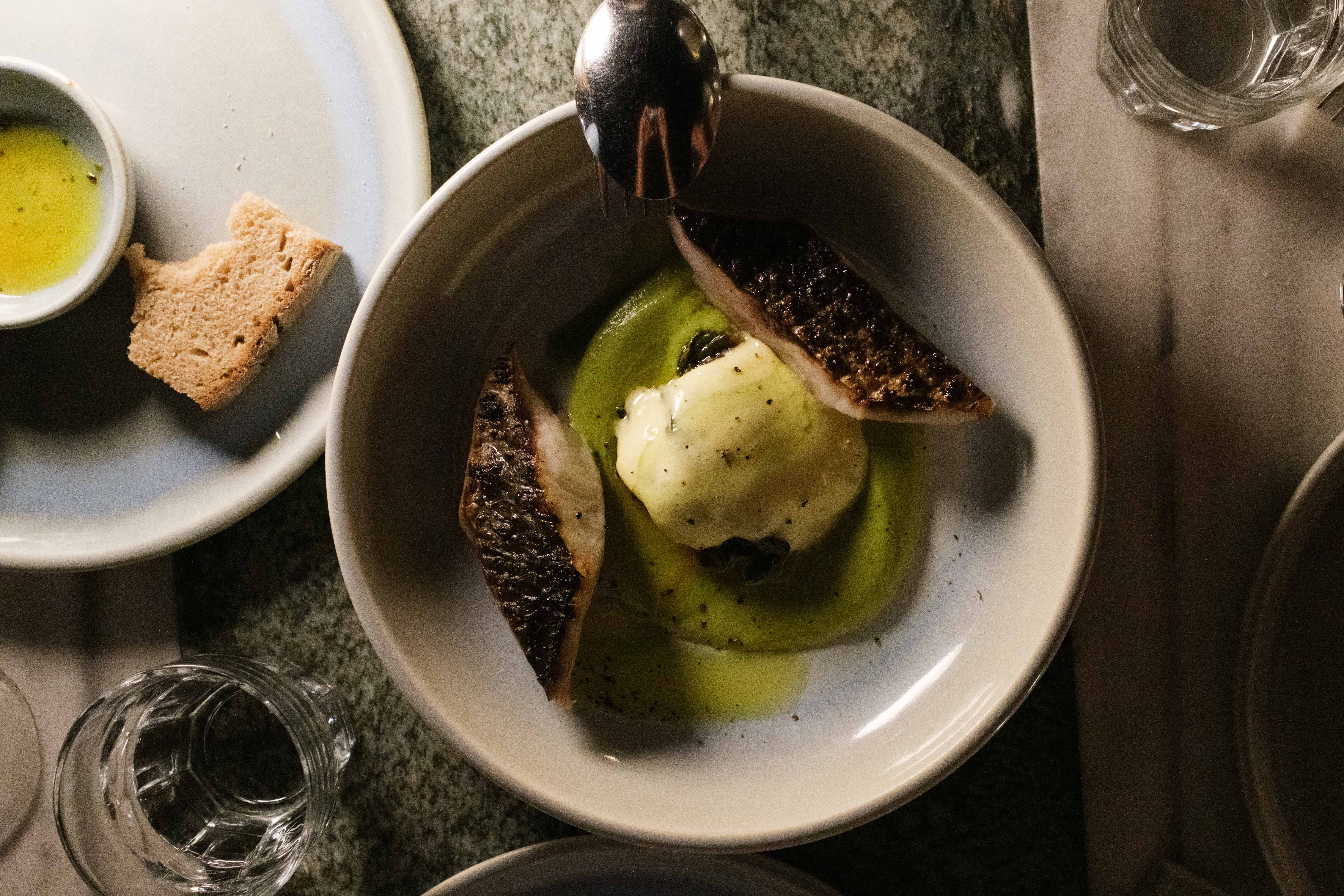
Every dish felt balanced, thoughtful, and impressive. It was the perfect way to end the trip.
Somewhere between that first long lunch at Tsikali, the slow rhythm of the island, the craft that underpins its food, and that final meal at Cantina, Sifnos quietly delivered on everything we’d been told.
We’ve (so far) put together two full guides from our week on the island:
→ Best places to eat in Sifnos
Everything we ate, from beachside tavernas to some of the most memorable meals of the trip.
→ Best things to do in Sifnos
Villages, hikes, beaches and the slower moments that made the island what it is.
If you’re looking for a Greek island that genuinely lives up to its reputation for food, while still feeling grounded and easy to explore, Sifnos more than delivers.
And, to be honest, we think it’s our favourite Greek island yet!
Zaeem & Alice
Hungry Soles